

For someone with average mental fortitude, flowers are simply a beautiful and uplifting gift – something that brings joy to the giver and the receiver alike. But did you know, those who understand the language of flowers are privy to a deeper, almost cryptic layer of meaning? Bear with us! interpreting these floral messages requires a kind of three-dimensional thinking to uncover the subtle, symbolic nuances hidden within this form of communication. Let’s unpack.
Floriography
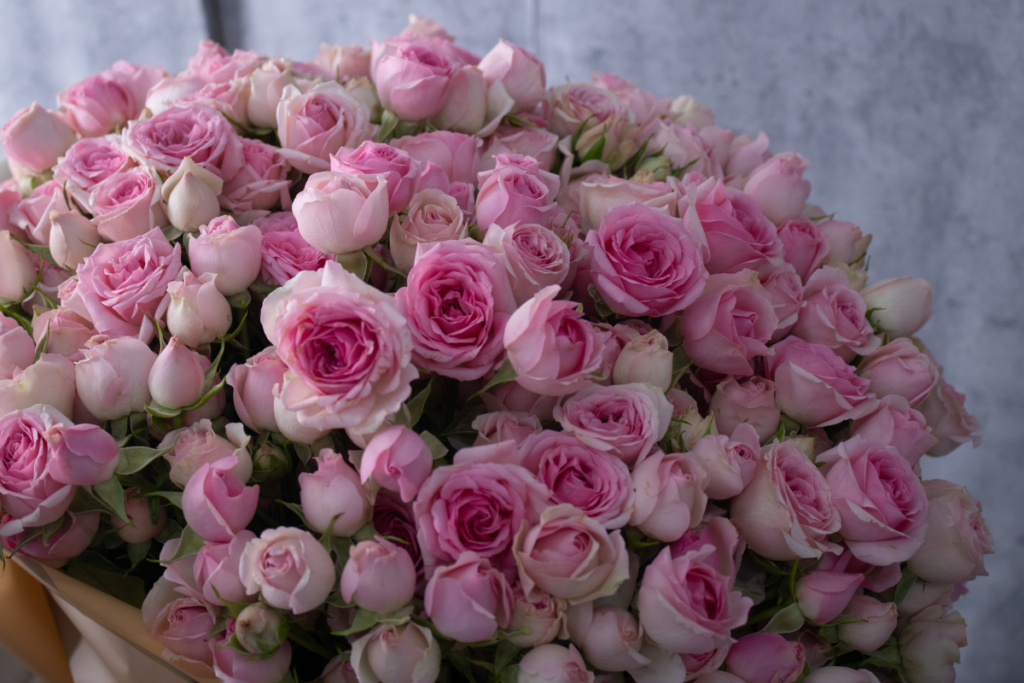
Floriography, also known as the language of flowers, is the practice of assigning symbolic meanings to various blooms, enabling people in the past to convey emotions that couldn’t be spoken aloud. Although the use of floral symbolism can be traced back to ancient cultures such as the Greeks, Romans and Egyptians, floriography truly flourished during the Victorian era in the 19th century. At a time when strict social etiquette discouraged open expression of feelings, flowers became a delicate code with hidden connotations. Make of this what you will! But entire dictionaries were published listing the meanings of specific flowers, colours and arrangements.
Let’s break down what your favourite flowers mean.
Roses
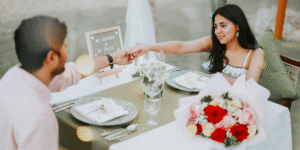
Living up to their reputation, red roses are known for deep passion and intense love. Pink roses symbolise happiness, gentle affection, and gratitude, while white roses denote purity, innocence, and new beginnings. Yellow roses were connected to jealousy in old traditions (but fear not), now they mean friendship, joy and care.
Carnations
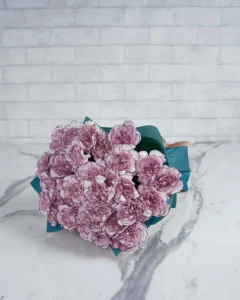
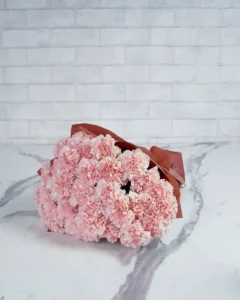
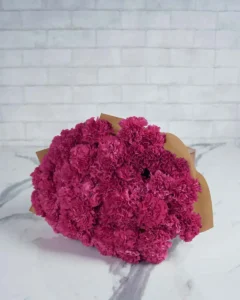
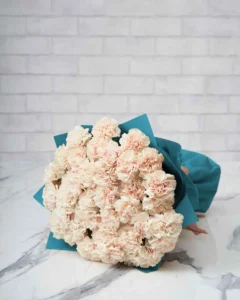
Influenced by their colour, carnations too have specific meanings. Red for admiration and purple for unpredictability.
White stands for purity and good luck, and pink reflects gratitude and a mother’s undying love. Yellow carnations were for disappointment and rejection.
Peony
For the most part, peonies are associated with weddings, happy marriages and prosperity.
Red peonies symbolise passion, romantic love and respect, where pink peonies convey bashfulness, a happy marriage and good fortune. Meanwhile, white peonies are sometimes associated with shame, apology or regret in certain traditions.
Lisianthus
In floriography, lisianthus symbolises appreciation, gratitude and charisma. It can also convey a sense of romantic admiration or gentle sophistication.
Hydrangeas
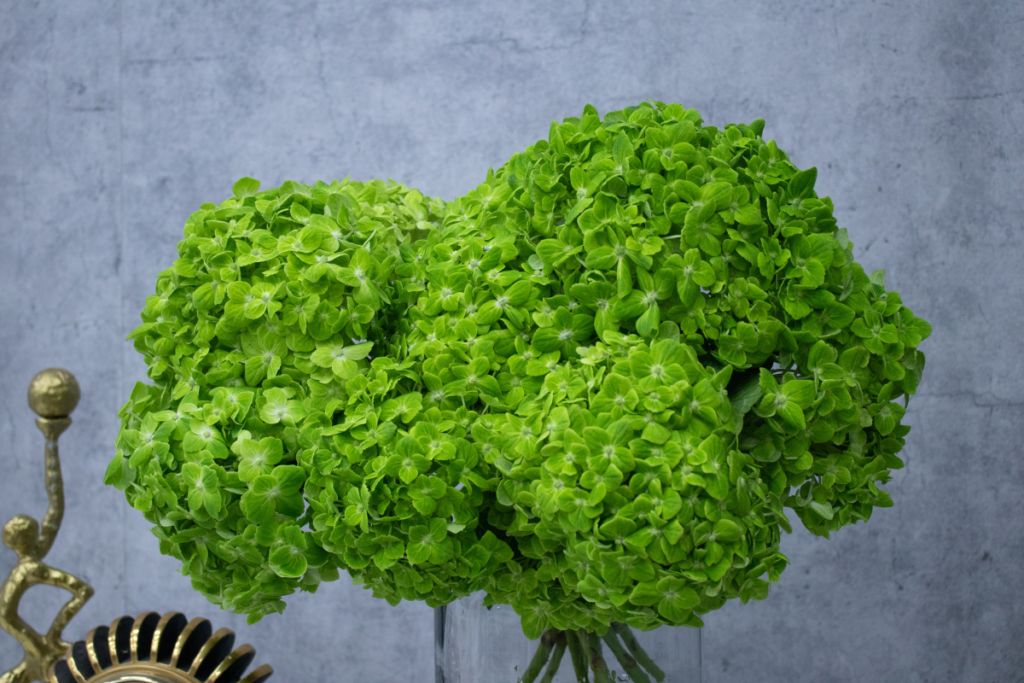
Blue Hydrangeas represent anything that is sincerely felt, be it gratitude or appreciation. Whereas pink generally stands for true feelings. However, in some traditions, hydrangeas are also associated with boastfulness or vanity, because of their large, showy blooms.
Lilly
White majestic lilies stand for purity, innocence and renewal, while pink lilies convey admiration, compassion and gentle love. Calla lilies, with their elegant form, symbolise beauty and rebirth, whereas tiger lilies traditionally represent wealth, pride and bold self-assurance.
Tulips
Honourable mention to Tulips that are celebrated for their elegant simplicity and heartfelt emotions. Red is a declaration of love, while yellow radiates cheerfulness and friendly encouragement. White tulips convey forgiveness and sincere respect.
Chrysanthemum
Joy, optimism, friendship and long life are what chrysanthemums are related to, and meanings slightly shift by colour. Red for love and affection, white for truth and loyalty and yellow for joy.
Floriography remains fascinating and reminds us that even silent, coded subtexts can carry profound depth. Whether you’re gifting a bouquet with a subtle message or not, Parfumella’s blooms elevate every message with quality and exceptional elegance.